 Orka Living
January has a way of arriving with a lot of expectation.
New goals. New routines. New plans. And often, a quiet undercurrent of “I should be doing more by now.” Social media fills with fresh planners, bold intentions, and promises of a “new you”. While that can feel exciting for some, for many it brings pressure, comparison, and a sense of being behind before the year has even properly begun.
Here’s something I want to say clearly from the start: you don’t need a brand-new version of yourself to have a successful year.
You don’t need to overhaul your entire life, your home, or your routines. You are allowed to carry parts of last year with you, including the lessons, the unfinished pieces, and even the tiredness. A new year doesn’t require a clean slate or a dramatic reset. It simply offers a moment to pause and consider what might feel more supportive going forward.
For some people, January feels like a fresh start. For others, it’s a continuation of a season they’re still moving through. Both are valid.
At Orka Living, I believe that meaningful change comes from working with where you are, not against it. Starting the year on the right foot doesn’t mean starting fast. Often, it means starting gently, with curiosity rather than judgement, and with a willingness to take small, realistic steps rather than chasing perfection.
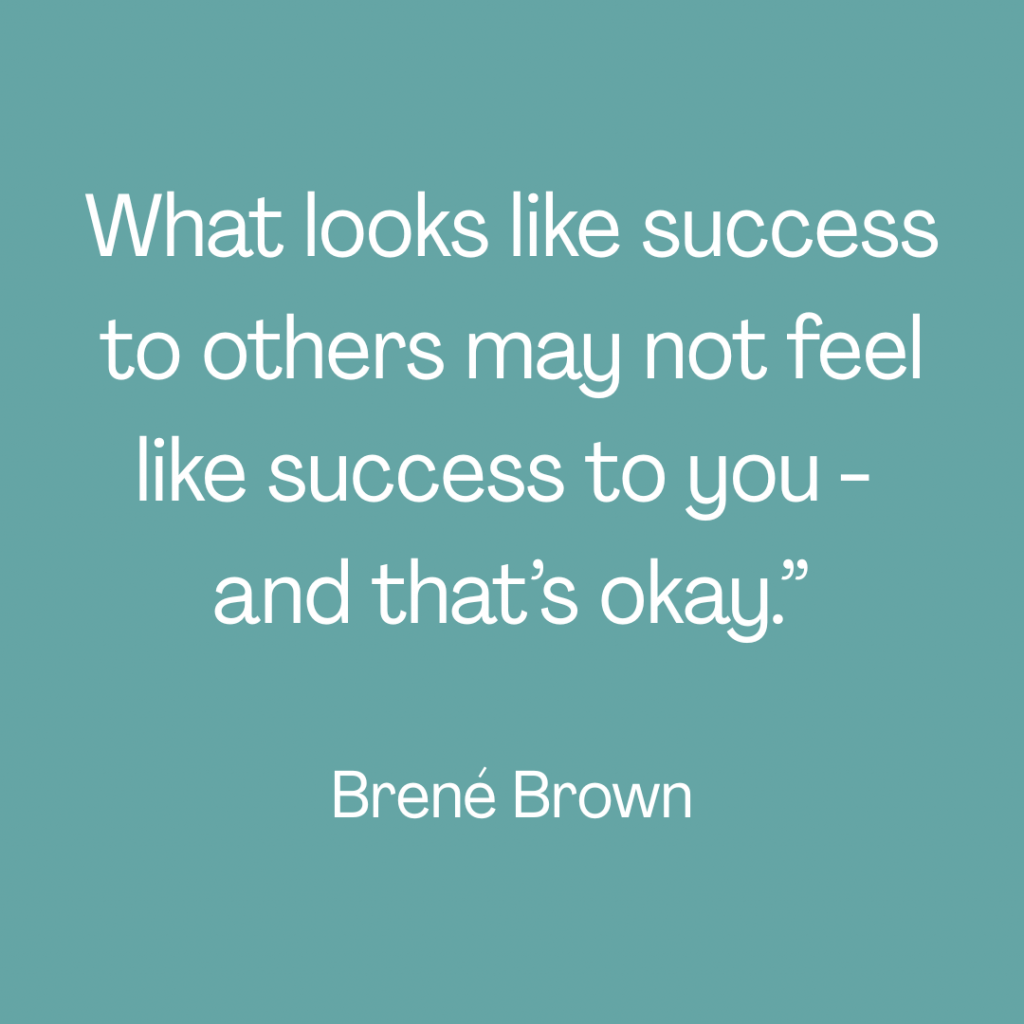
Redefining What “Success” Means This Year
When we talk about success at the start of a new year, it’s usually framed in terms of achievement. More goals. More productivity. More progress. Success becomes something to chase, measure, and compare.
But real life is rarely that tidy.
For many people, especially after a full or challenging year, success isn’t about doing more. It’s about things feeling easier. It’s about fewer mental tabs open at once, less background stress, and a sense that life is supporting you rather than constantly demanding from you.
Success might look like walking into your home and feeling calmer. It might be knowing where your paperwork lives, or not dreading the sight of an overflowing drawer. It could be starting your week with a clearer head, or finishing the day without that nagging feeling that you’ve forgotten something important.
These quieter wins often go unnoticed, but they are the foundations everything else is built on.
If this year feels calmer, more organised, or more manageable than the last, that counts. Success doesn’t have to be loud or impressive. Sometimes, it’s simply the feeling that life is flowing more smoothly than it did before.
Choosing an Approach That Fits Your Life
For some people, goals are genuinely helpful. They enjoy the sense of direction, the clarity of having something to work towards, and the motivation that comes from ticking things off. If that’s you, there’s no need to abandon goal setting altogether. Personally, I like to set goals because it gives me that sense of focus and a direction in which to head.
What often makes the difference is not whether you set goals, but how you set them.
Goals tend to work best when they feel supportive rather than demanding. When they’re realistic, flexible, and rooted in your current season of life, they can provide focus without creating pressure. Problems usually arise when goals are too many, too rigid, or based on who we think we should be rather than who we actually are right now. Many roll their eyes at the mention of SMART goals but I really do think there is value in them.
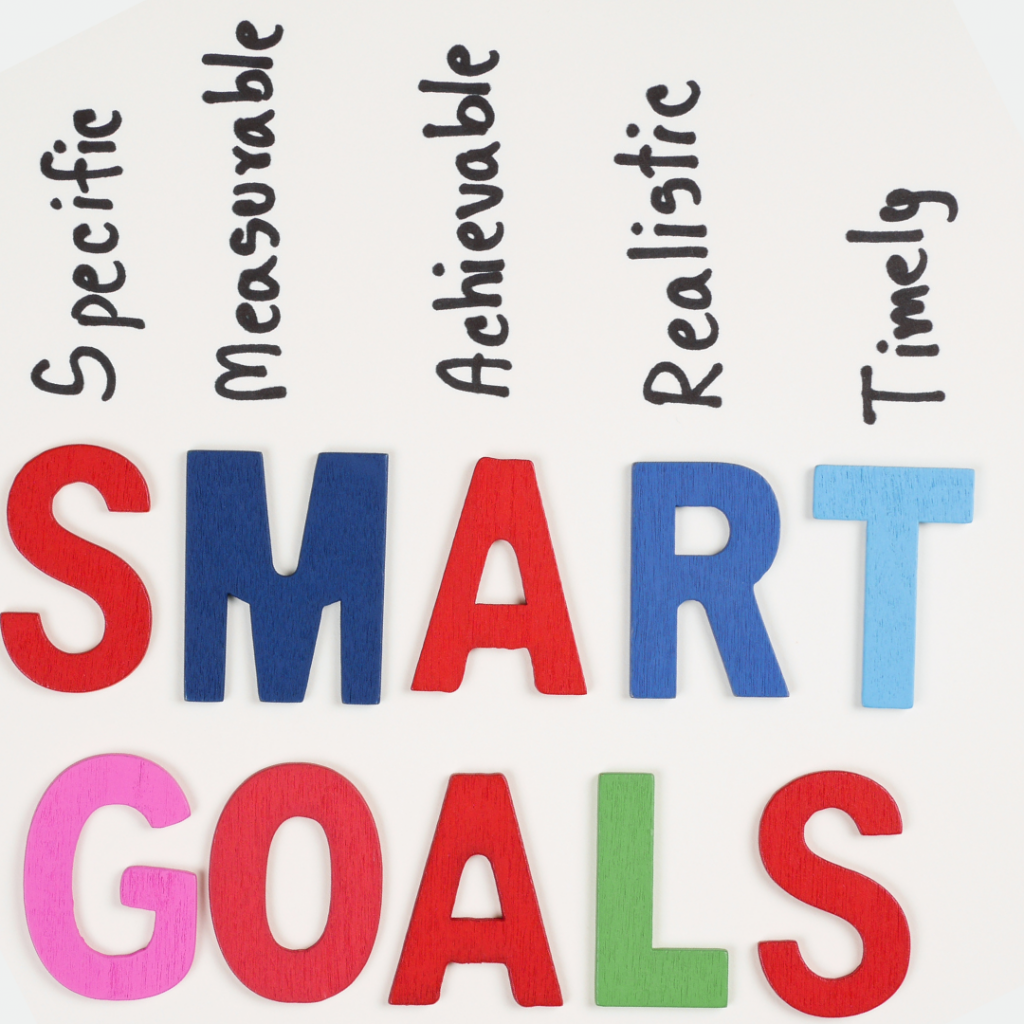
Let’s be smart about goals though, think of them as gentle guides rather than rules you must follow perfectly. They are allowed to change, evolve, or even be paused as life changes, and that doesn’t mean you’ve failed.
That said, goals are not for everyone.
For many people, traditional goal setting feels heavy. Instead of motivation, it brings guilt. Instead of clarity, it creates avoidance. If that sounds familiar, there is nothing wrong with you.
You don’t need goals to move forward. You might find it more helpful to focus on how you want your days to feel, or what would make life a little easier. Some people choose a word or theme for the year as a gentle anchor. Others focus on reducing friction, simplifying routines, or creating more space rather than chasing outcomes.
One of the core ideas behind David Allen’s Getting Things Done methodology is that your mind is not designed to hold everything at once. When you stop relying on motivation or memory alone and start building simple systems instead, progress becomes far more natural and far less exhausting.
Why Systems Matter More Than Motivation
Motivation is often treated as the missing piece. If we could just feel more motivated, everything would fall into place.
But motivation is unreliable. It comes and goes, influenced by sleep, stress, workload, hormones, and what else is happening in life. Waiting to feel motivated before taking action is one of the quickest ways to feel stuck.
What makes the biggest difference over the course of a year is not motivation, but systems.
Systems are the quiet structures that support you when energy is low. They are the places you always put things, the routines that reduce decision-making, and the processes that mean you don’t have to rely on willpower just to keep life moving.
This might be a clear place for paperwork, so it doesn’t drift from surface to surface. It might be a weekly reset that helps you start the week feeling steadier, or a planning system that captures tasks before they start buzzing around your head.

This is also why decluttering and organising can feel so powerful at the start of a new year. It’s not about perfection or minimalism for the sake of it. It’s about creating an environment that works with you rather than against you. When your space is clearer and your systems are simpler, daily life requires less effort.
A successful year is rarely built on bursts of motivation. It’s built on small, supportive systems that quietly hold you up, day after day.
Starting Small
When we think about getting organised, it’s easy to imagine doing everything at once. Clearing whole rooms, overhauling routines, finally “getting on top of it all”. That expectation alone can be enough to stop us starting.
Meaningful change rarely begins with a big reset. It begins with one small, intentional shift.
Starting small might mean clearing a single surface that’s been quietly bothering you, choosing one drawer to sort, or creating one clear place for life admin. These changes may seem minor, but they often create momentum. When one area feels calmer, it becomes easier to move forward elsewhere.
“Small deeds done are better than great deeds planned.”
Peter Marshall
The same applies to productivity. Choosing one routine that supports your week, unsubscribing from emails that add to your mental load, or deciding where paperwork lives can significantly reduce the background noise in your mind.
It’s also worth remembering that asking for help is a valid starting point. You don’t need to reach a breaking point before support is allowed. Sometimes the most productive thing you can do is admit that you don’t have to manage everything on your own.
A gentle start doesn’t mean a lack of progress. It means you’re building change in a way that’s more likely to last.
When Life Feels Heavy, Progress Looks Different
Not every new year arrives with energy, clarity, or excitement.

For some people, this season is shaped by grief, burnout, health challenges, or major life changes. In those moments, the idea of getting organised or setting intentions can feel completely out of reach.
If that’s where you are, you are not falling behind.
Progress doesn’t always look like forward motion. Sometimes it looks like staying steady. Sometimes it looks like resting, simplifying, or choosing not to add anything new. These quieter forms of progress are just as valid, even though they’re rarely celebrated.
In heavier seasons, success might simply be getting through the day with a little more kindness towards yourself. Survival, adjustment, and self-care are not failures. They are foundations.
You are allowed to start this year gently, and you are allowed to define progress in a way that honours what you’re carrying.
A Supportive Approach to a New Year Reset
At the start of a new year, many people come to me feeling a mix of hope and overwhelm. They know something needs to change, but they’re not always sure where to begin, or they’re worried they’ll get it wrong.
My role, as an organiser, isn’t to push people harder or hand them a rigid plan. It’s to help create calm, clarity, and systems that fit real life.
At Orka Living, we start by looking at what feels heavy and where things are creating friction. That might be clutter that’s built up over time, paperwork that’s quietly causing stress, routines that no longer work, or a house move or transition that feels overwhelming. As a busy mum of three, running my own business, and having been through my fair share of life challenges, I get it. I have been there, but what is important is that I can come out the other side and see everyday how organisation has benefited my own life.
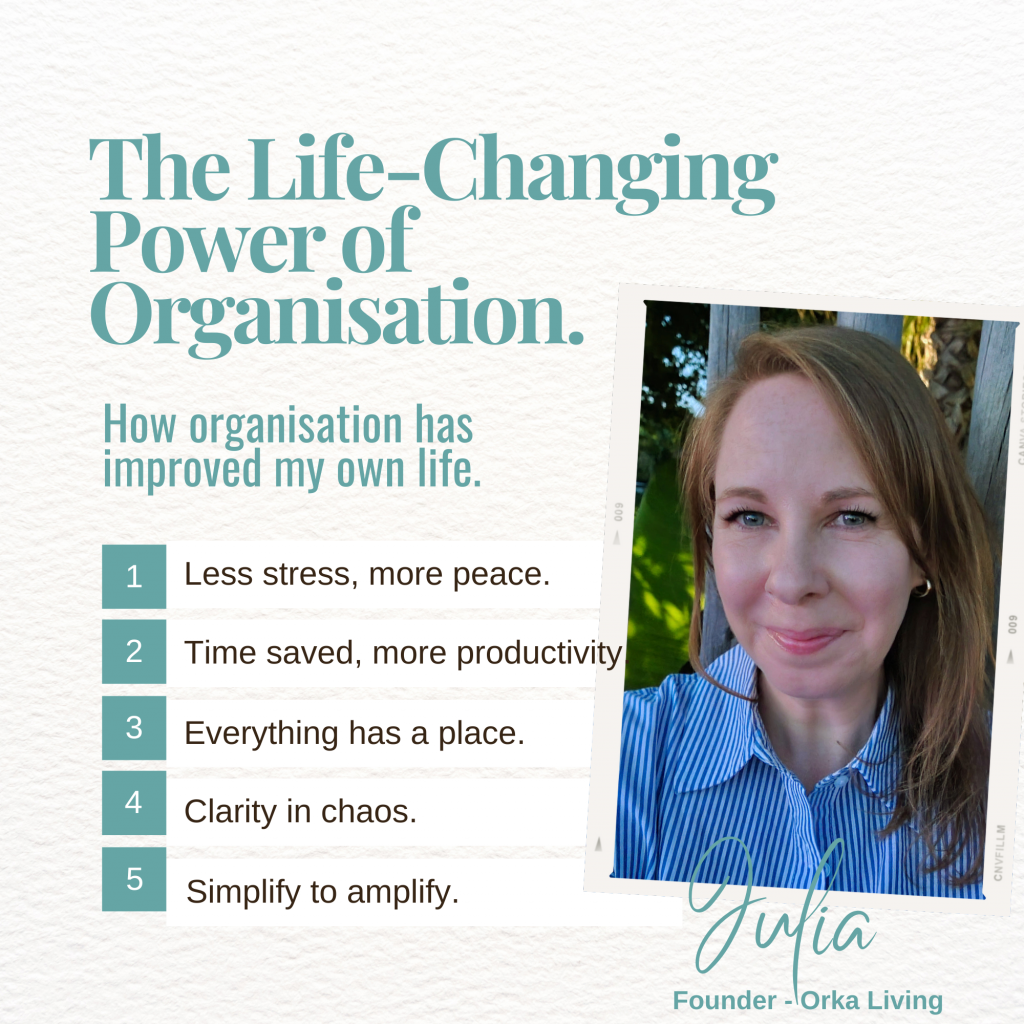
There’s no judgement and no expectation that everything needs to be perfect. We work at a pace that feels comfortable, focusing on progress that’s sustainable rather than dramatic. The aim is always the same: to help life feel easier, calmer, and more supportive.
Often, clients tell me the biggest shift isn’t just in their home or their to-do list, but in how they feel. Less overwhelmed. More in control. Able to breathe.
This is Enough for Now…
As this new year unfolds, give yourself permission to move at your own pace.
You don’t need a perfect plan or a perfectly organised home to be doing well. You simply need to notice what supports you, and allow yourself to let go of what no longer does.
Some steps will feel easy. Others will take time. Both are part of the process and this is enough for now.
However this year looks for you, let it be one that feels lighter, calmer, and more aligned with the life you’re actually living.
That is a wonderful place to start. 💛