
 Orka Living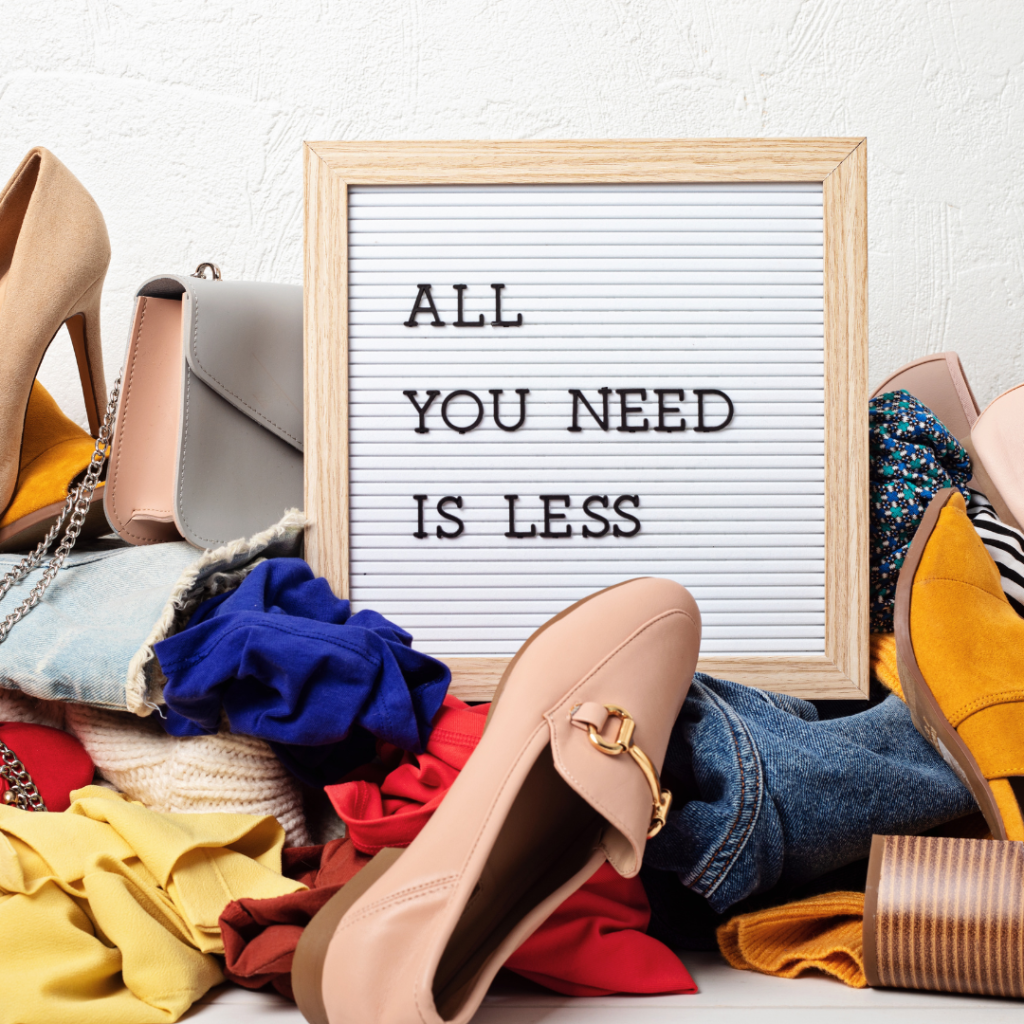
Have you ever opened an overflowing cupboard, surveyed a room full of belongings or faced another delivery at the door and wondered: how did we end up with so much stuff?
If so, you are in very good company. This year, APDO’s National Organising Week is exploring over consumption and its impact on our homes, well-being and environment. It can be an uncomfortable subject, especially when many of us already feel guilty about the things we own, the money we have spent or the waste we might create by letting items go. But guilt is not a useful organising tool.
The more helpful starting point is understanding. Our homes do not usually become cluttered because we are lazy or careless. They fill gradually through busy family life, changing needs, clever marketing, easy online shopping, gifts, bargains, inherited belongings and all the things we keep just in case. Bringing an item in may take seconds; deciding what to do with it later can take far more time and emotional energy.
What does over consumption look like at home?
Over consumption means acquiring or using more than we need or can comfortably manage. That does not necessarily look like extravagant spending. It may look like several half-used toiletries because each promised a better result, duplicate food hidden at the back of a cupboard, clothes bought for a lifestyle we no longer live, or children’s belongings kept long after they have been outgrown.

The issue is not owning things. Our belongings can be useful, beautiful, comforting and full of meaning. The difficulty begins when the volume exceeds the space, time and attention we can realistically give it. At that point, the home may stop supporting daily life and begin creating extra work.
The hidden weight of too much
Every item carries a small responsibility. It needs somewhere to live. It may need cleaning, charging, repairing, insuring, remembering or replacing. Even items we rarely use can ask for our attention when we search around them, move them to reach something else or feel guilty each time we see them.
This is one reason clutter can feel mentally tiring. Too many visible items create visual noise. Too many options can slow down simple decisions. Disorganised cupboards can lead us to buy duplicates, while piles of paperwork can leave us worried that something important has been missed. The individual object may be small, but the combined mental load is not.
Start with curiosity, not criticism
Before rushing to clear everything, pause and notice the patterns. What enters your home most easily? Where do things tend to gather? Which categories are difficult to release, and why?
Maybe buying gives you a quick lift after a difficult day. Maybe you keep things because waste feels wrong, because money was spent on them or because they connect you to someone or an earlier stage of life. Perhaps ADHD, anxiety, bereavement, caring responsibilities or sheer lack of time makes decisions more demanding. None of this means change is impossible. It simply helps us choose solutions that are compassionate enough to work.
A practical way to begin
The fastest route to overwhelm is choosing an area that is too large. Instead of the kitchen or my wardrobe, choose one drawer, shelf, bag or category you can complete in a short session.
Take everything out of that contained space so you can see it clearly.
Group similar items together; duplicates and excess become easier to spot.
Remove rubbish, expired products and anything broken beyond sensible repair.
Choose what supports your real life now – not a fantasy routine or a past version of you.
Decide the next destination for everything that is leaving.
Return what stays so the most frequently used items are easiest to reach.
Do not buy storage before you have reduced the volume. Containers cannot solve an excess of belongings; they often hide it more neatly. Once you know what is staying, the right storage becomes much easier to judge.
The overlooked final step: getting items out

A donation bag in the hall is progress, but it is still physically and mentally present. Decluttering is complete when each outgoing item has a realistic route out of your home.
Create one small outgoing station and separate items by destination: returns, donations, recycling, repair and things that belong to someone else. Attach receipts to returns, label items for friends, and put a date in your diary for the donation centre or recycling point. Linking the task to a journey you already make reduces the chance of the bags becoming permanent residents.
What does responsible decluttering mean?
Many people keep unwanted items because they are afraid of creating waste. That concern is understandable, but keeping an item you do not use does not undo the resources already used to make it. The most constructive response is to choose the best realistic next step and let the experience inform future buying decisions.
Reuse the item in your own home if it replaces something you genuinely need.
Donate or sell good-quality items that are likely to be useful to somebody else.
Repair when the item has value and the repair is genuinely likely to happen.
Use specialist recycling for electricals, batteries, textiles and other appropriate materials.
Dispose safely when an item is damaged, unsafe or no longer usable.
Responsible does not have to mean perfect. Your available time, mobility, energy and storage all matter. Setting aside dozens of low-value items to sell can create another project that keeps your space stuck. A good-enough route completed is often better than an ideal route indefinitely postponed.
Change what comes in as well as what goes out
Decluttering creates breathing room, but lasting change also comes from slowing the flow into the home. Before buying, ask my three favourite questions: Do I need it? Do I love it? Do I have a place for it?
You might also try a 24-hour pause for non-essential purchases, unsubscribe from tempting retail emails, keep a simple wish list rather than buying immediately, and check what you already own before shopping. For family life, agree where new toys, clothes or hobby supplies will live before they arrive. These are not strict rules; they are small moments of choice in a system designed for speed.
The real goal is not an empty home
Decluttering is not about creating a showroom or getting rid of everything you love. It is about making space for life to work better. A calmer worktop may make mealtimes easier. A simpler wardrobe may reduce morning decisions. A clear spare room may welcome visitors, become a workspace or simply give you room to breathe.
The most powerful measure of success is not how many bags leave. Ask instead: what has become easier? What can I find now? Which routine feels lighter? What have I made room for?
For National Organising Week, choose one contained space and give it 20 minutes. Begin gently, finish the exit route and notice the difference. Less stuff is not the whole aim. More time, calm, clarity and life is. Let’s make room for the life you want to live.
| Would you like a supportive hand? Orka Living offers calm, practical help with decluttering and organising, house moves and downsizing, paperwork and life admin, and productivity. Support is available across Lanarkshire and the Central Belt, with selected services available virtually. Get in touch to arrange an initial consultation. |